Forty Listeners and a Cult Following: How Hyper-Niche Podcasts Are Quietly Running the Internet
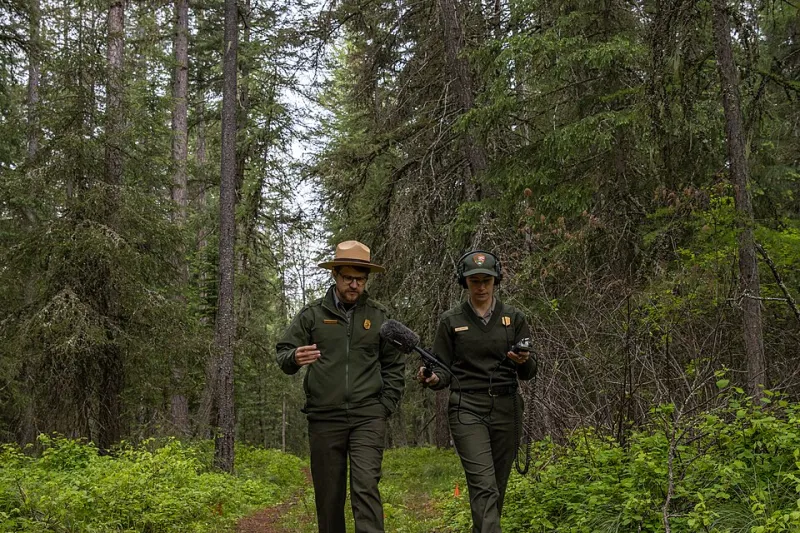
Photo: GlacierNPS, Public domain, via Wikimedia Commons
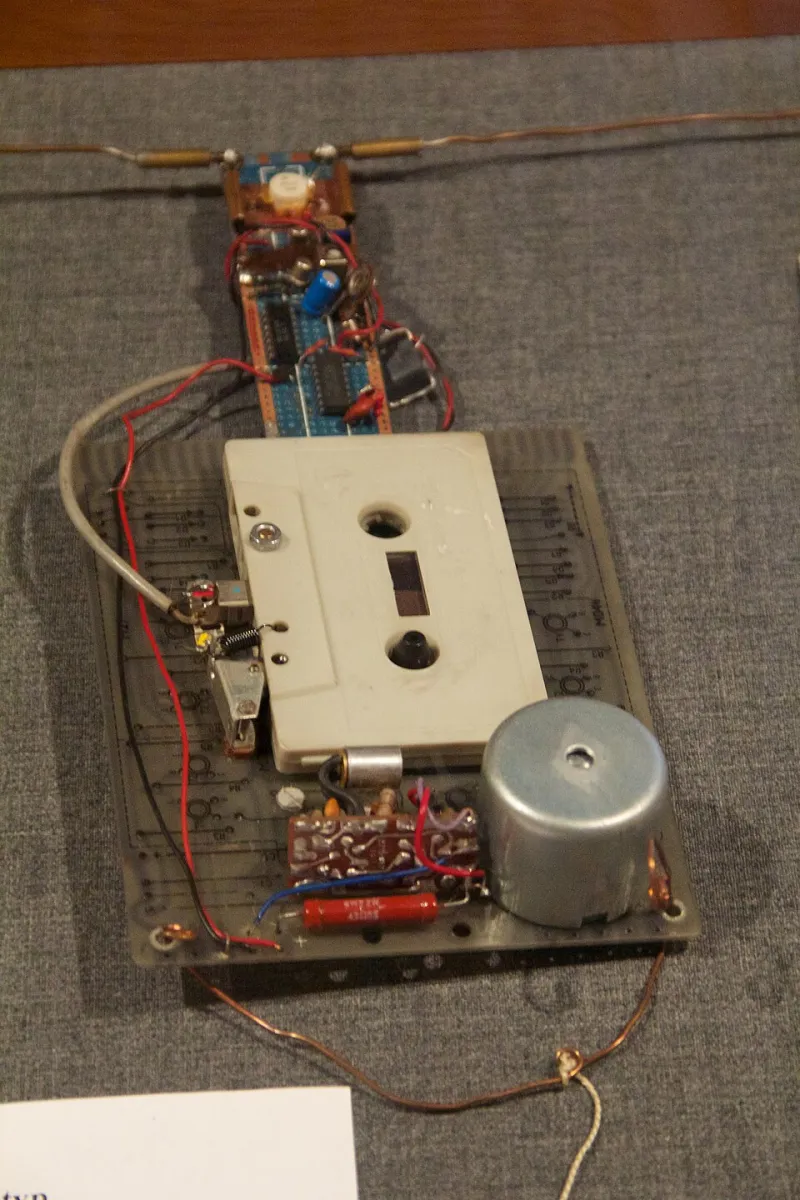
There's a podcast for people who collect broken Soviet-era synthesizers. There's another one exclusively about the history of regional American hot sauce labels. One show — and this is real — has been running for four years on the singular topic of failed fast food menu items. Its Discord server has over 2,000 members who argue, passionately and at length, about the McDLT.
None of these shows will ever appear in a Spotify "What's Trending" carousel. None of them have celebrity guest episodes or branded merch collab deals with mid-tier athleisure companies. And yet, they are absolutely thriving — financially, culturally, and in terms of raw human devotion. If you want to understand where media is actually going, stop looking at the top of the charts and start scrolling way, way down.
The Smaller the Topic, the Bigger the Feeling
Here's the counterintuitive thing about niche podcasts: specificity isn't a limitation. It's the whole product.
When a show is about everything — culture, news, vibes, whatever — it belongs to no one in particular. When a show is about the specific acoustic properties of tape delay units manufactured between 1968 and 1974, it belongs completely to the forty people who have been waiting their entire lives for someone to care about exactly that. That feeling of being found — of a piece of media reaching through the noise and saying hey, I see you specifically — is genuinely hard to manufacture at scale. Niche podcasts don't manufacture it. They just exist, and the right people show up.
Psychologists who study parasocial relationships have noted for years that intimacy scales inversely with audience size. The hosts of tiny podcasts often respond to listener emails personally. They remember names. They workshop episode ideas in Discord channels alongside their own fans. The relationship stops feeling like media consumption and starts feeling like being part of something. A scene. A crew. A weird little family that shares a very specific obsession.
Discord Is the Real Show
Here's a thing that mainstream podcast producers probably don't want to hear: for a lot of niche shows, the actual audio is kind of just the entry point.
The real community lives in Discord. Or a subreddit. Or a Substack comment section. The podcast episode drops, and within hours the Discord is on fire — not just reacting to what the hosts said, but extending it, arguing with it, adding their own expertise, posting photos of their own obscure synthesizer finds or their own experimental fermentation disasters. The community becomes a co-creator in everything but name.
This changes the monetization math in fascinating ways. A podcast with 500 deeply engaged listeners who are active in a Discord community every single day is, in practical terms, worth more to the right sponsor than a podcast with 50,000 passive listeners who skip ads. Brands targeting enthusiast markets — boutique audio gear companies, specialty food importers, small-batch coffee roasters — have figured this out. A well-placed ad on a podcast about obscure Japanese guitar pedals reaches exactly the humans who are already primed to spend money on exactly that thing. The CPM math looks terrible. The conversion math looks incredible.
"Bad" Production Is a Feature, Not a Bug
Something else worth noting about the niche podcast world: the production values are often, charitably, chaotic. Room noise. Tangents that last eleven minutes. Hosts who laugh too hard at their own jokes. Occasional technical disasters where someone's microphone just stops working and they don't notice for six minutes.
And the audiences love it.
This isn't just tolerance for imperfection — it's active preference. Slick production signals distance. It signals that something has been processed, packaged, and optimized for consumption. The rough edges of a niche podcast signal the opposite: that you are listening to real people who genuinely care about this weird thing, talking about it the way they would talk about it if nobody was listening. The authenticity isn't performed. It's structural.
This is, interestingly, the same dynamic that made lo-fi indie music feel more emotionally honest than arena rock to a generation of listeners. The medium carries the message. A podcast that sounds like it was recorded in someone's spare bedroom because it was recorded in someone's spare bedroom is telling you something true about itself before the host even opens their mouth.
The Monetization Layer Nobody Talks About
Beyond niche sponsorships, the revenue models in this corner of podcasting are genuinely creative in ways that bigger shows can't replicate.
Patreon tiers that offer things like "I'll spend 20 minutes on a voice memo answering your specific question about this topic" are common — and they sell. Live virtual events where 80 people pay $15 each to watch the hosts do a deep-dive episode in real time generate both money and an experience that feels like attending a show. Physical goods — zines, handmade patches, annotated episode transcripts — move through communities that are already primed to treat the podcast like a cultural artifact worth owning.
Some hosts have parlayed their niche expertise into consulting work, commissioned writing, or educational content. A podcast about experimental cooking techniques becomes a workshop series. A show about synthesizer repair becomes a paid repair tutorial library. The podcast was never really the product — it was the proof of expertise and the mechanism for finding the people who would eventually pay for the real thing.
Why This Matters Beyond Podcasting
What the niche podcast world is demonstrating, in real time, is something that the broader culture is still catching up to: the internet did not create a global monoculture. It created infinite parallel microcultures, each with its own economy, its own celebrities, its own inside jokes, and its own definition of what's worth paying attention to.
The metrics that mainstream media uses to measure success — monthly downloads, chart position, advertiser reach — are measuring the wrong game. The game worth watching is depth of engagement, community density, and the willingness of a small group of people to organize their leisure time around something specific and strange.
Derek and his Moog oscillator podcast will probably never break a thousand listeners. But those listeners will show up every week, argue in his Discord, buy his $12 zine, and recommend his show to every single person they meet who seems like they might get it. That's not a niche. That's a movement.
It's just a very small one. And that's exactly the point.