One Person, One Basement, Zero Fucks: The Micro-Label Revolution Rewriting How America Discovers Music
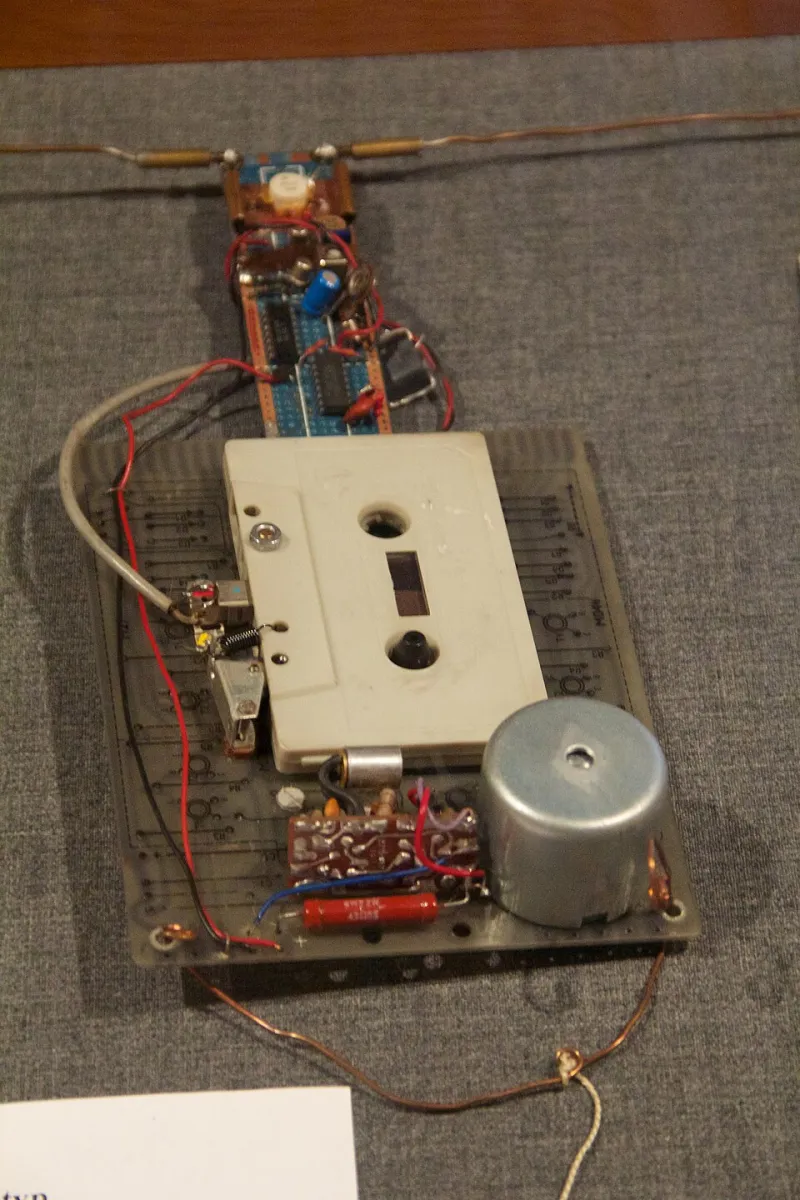
Photo: Photograph by Mike Peel (www.mikepeel.net)., CC BY-SA 4.0, via Wikimedia Commons
Somewhere in the American midwest, a person is hunched over a laptop at 1 a.m., finalizing liner notes for a cassette run of 75 copies. They designed the j-card themselves in GIMP. They're going to hand-number every single one. Their label has maybe 400 followers on Instagram and a Bandcamp page that looks like it was built with intentional weirdness in mind — because it was. And somehow, those 75 tapes are going to sell out in under an hour.
This is the bedroom label renaissance, and it's one of the most genuinely exciting things happening in American music culture right now.
The Death of the Gatekeeper (Finally, For Real This Time)
We've been hearing about the democratization of music since the early 2000s when GarageBand showed up on every iMac. But the micro-label movement is something different. It's not just about making music cheaply — it's about building an entire curatorial infrastructure from scratch, with taste as the only real currency.
Major labels still operate on a model built around scale. They need an artist to potentially reach millions of people to justify the investment. That math has never worked for the truly weird stuff, the hyper-niche sounds that don't fit a Spotify mood playlist. Micro-labels don't need that math to work. A label moving 200 vinyl pressings of an experimental ambient record from a guy in Tucson can turn a profit — or at least break even — while building the kind of devoted, word-of-mouth following that no marketing budget can manufacture.
The economics are genuinely scrappy. Cassette runs are cheap. Short-run vinyl has gotten more accessible through pressing plants like Pirates Press or Furnace Record Pressing that cater to small orders. Digital distribution through Bandcamp or DistroKid costs almost nothing. What you're really selling is curation — the promise that whoever runs this tiny operation has taste so specific and so committed that buying anything they release is basically a guaranteed interesting experience.
Trust the Weird Kid With the Spreadsheet
The thing that makes a micro-label work isn't just the music — it's the personality of the person running it. These operations live or die on the curatorial voice of one human being, and listeners know it.
Take labels like Hausu Mountain out of Chicago, or Leaving Records from LA, or NNA Tapes based out of Brooklyn. Each one carries a distinct aesthetic fingerprint so strong you can practically hear the label before you hit play. Followers aren't just buying albums; they're buying into a worldview. When a label you trust drops something new, you're not starting from zero — you're extending a relationship.
This is the part that baffles traditional music industry thinking. The micro-label's audience isn't passive. They're participants. They share releases obsessively in Discord servers and niche subreddits. They argue about pressing variants in comment sections. They follow the label's personal social accounts, not just the official pages. The line between the label operator and the community is basically nonexistent, and that intimacy is the whole point.
Bandcamp Is Still the Weird Internet's Town Square
It would be impossible to talk about micro-labels without acknowledging Bandcamp's role as the infrastructure holding all of this together — even post-acquisition chaos and layoffs have done surprisingly little to kill its utility for small operators. The platform's model, where artists and labels keep the majority of revenue, was built for exactly this ecosystem.
Bandcamp Fridays became a genuine cultural moment during the pandemic, and while the frequency has changed, the habit of spending money directly on small labels stuck for a certain type of listener. The platform's tagging system, as chaotic as it sometimes gets, rewards the specific and the strange. Type in something like "dungeon synth" or "harsh noise wall" and you'll find an entire thriving underground economy that Spotify's algorithm will never surface for you.
For micro-labels, Bandcamp isn't just a store. It's a discovery tool, a community hub, and a legitimizing force all at once. Having a clean, well-maintained Bandcamp page with thoughtful descriptions and consistent visual language signals that a label takes itself seriously, even if it's operating out of a closet.
The Aesthetic Is the Marketing
Here's something major labels genuinely cannot replicate: the handmade, hyper-specific visual identity that the best micro-labels deploy. When every release looks like it was designed by the same obsessive person — because it was — you get a coherence that money can't fake.
Some labels lean into photocopied zine aesthetics, black and white and deliberately rough. Others go full maximalist with dense collage artwork that looks like a fever dream collaborated with a vintage mail-order catalog. Some operators press their tapes in unusual shell colors, include hand-written notes, slip in little extras like stickers or postcards or tiny printed poems. These details aren't just nice touches — they're the entire product. You're not just buying audio; you're buying an artifact.
This is where micro-labels intersect with broader DIY craft culture, zine culture, and the general post-algorithm hunger for things that feel genuinely made by humans for humans. In a music landscape dominated by content designed to perform well on streaming dashboards, a cassette with a hand-stamped cover and a run of 50 copies is practically a radical act.
The Community Is the Label
The smartest micro-label operators understand something that took major labels decades to even partially grasp: the community isn't a side effect of the music, it's the engine.
Many of these labels run active newsletters, host listening sessions, organize small local shows, or maintain Discord servers where releases get discussed in real time. Some operate more like collectives than traditional labels, giving artists significant input into release strategies and treating the whole thing as a shared project rather than a top-down business relationship.
This is genuinely new territory. The fan-to-label relationship used to be mediated by radio, by press, by retail. Now it's direct, personal, and ongoing. A micro-label operator might respond to your DM about a sold-out tape run. They might post a voice memo explaining why they signed a particular artist. They might run a poll asking the community to vote on the next pressing color. This level of access creates loyalty that's almost impossible to erode.
What This Means for the Weird Internet Generation
For listeners who grew up after the golden age of the record store, micro-labels are filling a very specific cultural need: the need for trusted taste, delivered by a human being with skin in the game.
The algorithm is great at giving you more of what you already like. It's terrible at introducing you to something genuinely unexpected, something you didn't know you needed until it arrived in a padded mailer with a hand-written address label. Micro-labels do that. They take risks on sounds that don't fit existing categories, on artists with no following and no press, on music that might find its audience in six months or six years.
That's not a business model that scales. And that's exactly the point. The bedroom label renaissance isn't trying to compete with the majors on their terms. It's building something different entirely — smaller, weirder, more human, and honestly way more interesting.
If you haven't gone down the Bandcamp rabbit hole looking for micro-labels that match your specific frequency, consider this your invitation. Start somewhere strange. Follow the taste. Buy the tape.