Forget the Algorithm: How TikTok's Weirdo Music Corners Are Finding Sounds Spotify Never Could
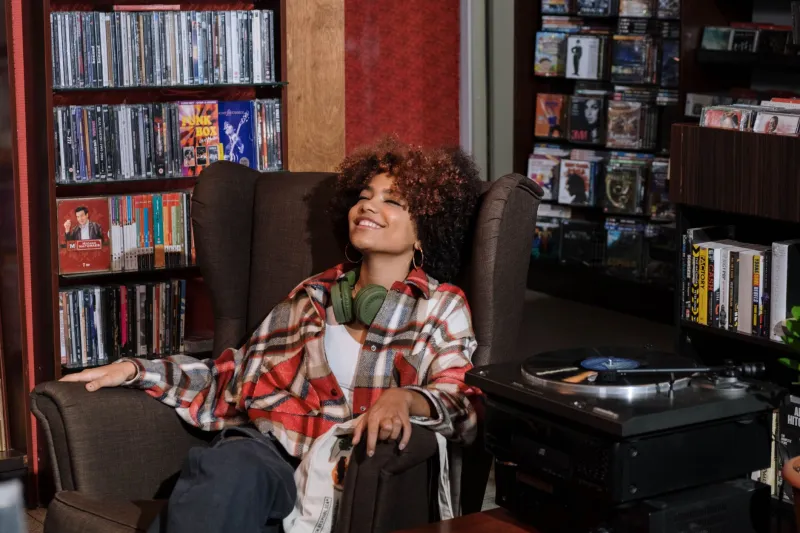
There's a particular feeling that used to be more common — flipping through a record bin at some dusty shop in a strip mall, pulling out a sleeve you'd never seen before, and just knowing you were about to hear something that would rearrange your brain a little. That feeling didn't die. It just migrated somewhere weirder.
Right now, somewhere on TikTok, a 23-year-old in Tulsa is posting a 60-second clip of an obscure 1978 Turkish psych-funk record over footage of their cat sitting in a box. By morning, 40,000 people will have heard it. By the weekend, the artist — who may or may not still be alive — will have their Bandcamp page crash.
Spotify's Discover Weekly cannot do that. And the gap between what an algorithm can surface and what a human obsessive can unearth is getting harder to ignore.
The Playlist Industrial Complex
Let's be honest about what streaming recommendation engines actually optimize for. They're not trying to blow your mind. They're trying to keep you subscribed. That means feeding you music that's statistically adjacent to things you already love — a slightly edgier version of your comfort zone, dressed up as discovery.
The result is a kind of musical monoculture that feels personalized but is actually deeply conservative. You like Bon Iver? Here's eleven artists who sound exactly like Bon Iver. You've been listening to a lot of lo-fi hip-hop? Congratulations, you will now listen to lo-fi hip-hop forever.
Algorithms are optimized for retention, not revelation. And those are two very different goals.
Niche communities — the ones thriving in TikTok comment sections, Discord servers, obscure subreddits, and Letterboxd-style music apps like RateYourMusic — are optimized for something messier and more human: the need to share something you can't believe more people don't know about.
The Curator as Character
What's actually powering the best music discovery happening online right now isn't code. It's personality.
Take accounts like @strangevinylclub or the constellation of "microgenre explainer" creators who've built audiences in the tens of thousands by doing deep dives into sounds most people have never encountered. These aren't influencers in the traditional sense. They're closer to that friend who texts you a SoundCloud link at 2am with the message "don't ask questions just listen."
The parasocial element matters here. When an algorithm serves you a song, there's no relationship, no context, no sense that someone cared. When a person you've been following for two years — someone whose taste you've come to trust because they turned you onto four other things that changed your life — tells you to drop everything and listen to a Malian kora player fusing their sound with Detroit techno, you listen differently. You're primed for the experience in a way a playlist thumbnail can't replicate.
Musicians who've found their audiences through these channels describe the difference in almost spiritual terms. "The people who find me through algorithm feel like strangers," said one experimental electronic artist who asked to remain anonymous but has built a devoted following through niche TikTok music communities. "The people who find me through someone who actually cared enough to post about my stuff — those are my people. They show up. They stick around."
Why Weird Works Better
There's a psychological phenomenon at play that researchers have been poking at for a while now: the more effort someone expends to find something, the more they tend to value it. This is sometimes called the IKEA effect, though it applies way beyond furniture assembly.
Music discovery in niche communities requires effort. You have to find the community. You have to earn enough cultural literacy to understand the references. You have to sit with sounds that don't immediately reward you. That friction is a feature, not a bug — it creates a deeper investment in what you find.
Spotify removes all friction. Which is great for accessibility and genuinely terrible for the kind of devotion that builds music scenes, sustains artists, and creates lasting cultural movements.
The weirdo corners of TikTok have friction. There's a learning curve to understanding why a 47-second clip of Finnish noise music is being posted next to text that reads "this one goes out to everyone who's ever felt like a corrupted file." But if you get it, you really get it. And now you're part of something.
The Microgenre Machine
One of the most remarkable things happening in these spaces is the spontaneous invention of microgenres — hyper-specific sonic categories that emerge from community consensus rather than industry definition.
Think about how "hyperpop" went from a niche Tumblr thing to a Billboard category in what felt like eighteen months. Or how "dark academia music" became a real aesthetic umbrella under which artists started intentionally creating. These weren't invented by A&R departments. They were named by teenagers posting moodboards at midnight.
When communities name sounds, they also create demand for those sounds. Artists follow the vocabulary their listeners invent. This is genre evolution happening in real time, in public, driven entirely by listeners who wanted a word for something they were already feeling.
Spotify's genre categories, meanwhile, still include "adult contemporary."
The Authenticity Problem (And Why It's Actually an Opportunity)
None of this is to say that TikTok music culture is some pure, uncorrupted space. It isn't. There are plenty of manufactured moments, industry plants, and calculated weirdness designed to look organic. The line between genuine cult following and engineered virality gets blurry fast.
But here's the thing: even the cynical version of this ecosystem tends to surface more interesting music than an engagement-optimized playlist. Because the currency in these communities is taste, not streams. And taste, however imperfect, tends to push toward the edges rather than the middle.
The listeners who live in these spaces have developed sophisticated BS detectors. They know when something is being sold to them versus when someone genuinely lost their mind over a record. That discernment — that collective critical faculty — is something no algorithm has yet managed to simulate.
Where This Goes
The streaming giants aren't going anywhere, and neither is their stranglehold on how most people consume music most of the time. But the most interesting musical culture of the next decade is probably going to be written in the margins — in Discord servers dedicated to a single microgenre, in TikTok comment sections where someone just dropped a link to a 1991 cassette-only release from a band that existed for eight months in Cleveland.
The algorithm will catch up eventually. It always does. It'll learn to serve you the weird stuff in a way that feels weird but is actually perfectly calibrated.
Until then, the humans are winning. And the music they're finding is genuinely, gloriously strange.
Go find your weirdo corner. It's out there. Someone is already posting about it over footage of their cat.


